Finding Tomorrow's
Hot Property, Today!
Backed by 120+ years of combined expertise, we deliver Australia's most trusted and independent property research.
Award Winning
Independent Property Research
Custom Reports
Location-Based Market Insights
Mentoring
For Investors & Professionals
Investment Course
Structured Online Learning
Years Leading Australia's Property Research
Years of Combined Senior Management Experience
Property Markets Analysed Every Quarter

Hotspotting helps investors and industry professionals see where property markets are heading — not where they’ve been.
For more than 20 years, our team has combined property data with economic trends, population growth, demographics, and future infrastructure to deliver forward-looking insights you can trust.
Unlike platforms driven by automation or AI-generated summaries, every Hotspotting report is researched, written, and verified by experienced human analysts, with a clear medium-to-long-term investment focus.
Ready to Discover Tomorrow's Hot Property?
Start exploring Australia's most trusted property research — free for 7 days. Or book a personalised demo to see how Hotspotting can work for you.
As Seen On










Recent Awards
.png)
Our Products

Omar de Guise - Testimonial
Hotspotting.com.au, founded in 2006 by Terry Ryder, provides trusted, research-driven insights to help property investors and real estate professionals identify high-growth locations and make confident investment decisions.
What Our Business Clients Say

Michael Wilkins - Enterprise Member Testimonial
Hotspotting.com.au has been instrumental for our clients — Michael Wilkins, Wilkins Property

Frank Ambesi - Customer Testimonial
Hotspotting.com.au has been instrumental for our clients — Frank Ambesi, Ambesi Property

Michael Pell - Customer Testimonial
Hotspotting has been instrumental for our clients — Michael Pell, Pell Property
More from the Property Playbook

Property Investment Episode 1
Learn valuable property investment strategies in episode 1

Property Investment Episode 2
Learn valuable property investment strategies in episode 2

Property Investment Episode 3
Learn valuable property investment strategies in episode 3
What Our Members Say
“I've been a Premium Hotspotting member over the last few years because I want to keep my finger on the pulse of what's really happening in the various Australian property markets. The information in t...”
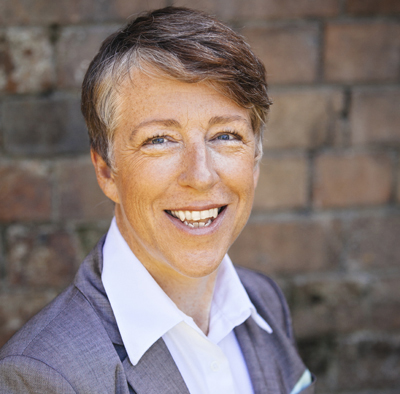
KATE HILL
QPIA/Founder of Advisable Property Buyer & Development
“As a first-time buyer, I was overwhelmed by the market. Hotspotting's insights gave me the confidence to make an informed decision. I found a suburb with great potential that fit my budget perfectly.”
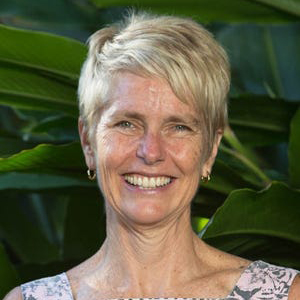
CATE KILLINER
Cate Killiner Real Estate, Winnellie, NT
“The depth of analysis Hotspotting provides is unparalleled. We've used their reports to identify development opportunities in emerging markets, reducing our risk and increasing returns significantly.”
Rachel Williams
Property Developer